Buying Guides
Bulk Buying Guide: How to Calculate Sheet Quantities and Costs per Tray
Size your first silicone sheet order with one formula — trays per batch, batches per week, replacement cycle — then compare cost per use, not price per sheet.
The Short Version
Bulk buying starts from one formula: trays per batch × batches per week × the replacement cycle. Run it before you order, and both the right first order and the real cost per tray stop being guesses.
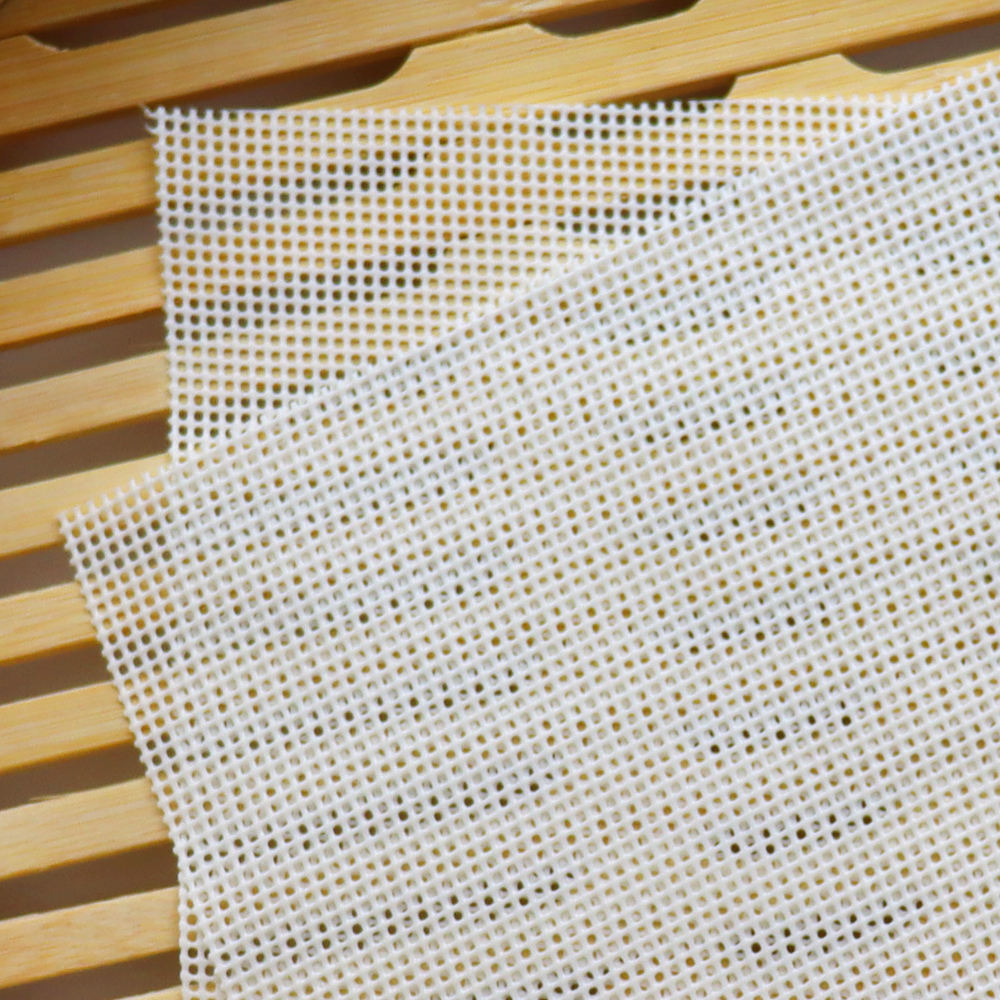
The working life does the heavy lifting: by industry supplier reports, a silicone dehydrator sheet survives 2,000-3,000 uses with proper care, so most lines buy sheets to cover every tray plus spares and replace only a trickle each year. On price, industry data for this category puts factory cost around US$0.5-1.5 per sheet against single-sheet retail of US$1.5-3 — which is why this guide works in cost per use, not price per sheet. PuraDry's frame: MOQ 20 sheets, 1,000 sheets in 3-5 days, standard 60 × 80, 70 × 90 and 80 × 90 cm at 0.7 mm in three hole patterns, an FDA report on request, and pricing quoted on request.
Step One: Size the Order From Your Batch Calendar
Start from your production calendar, not from a catalog. Multiply trays per batch by batches per week to get sheet-uses per week. A line drying 20 trays per batch, five batches a week, consumes 100 sheet-uses weekly. That single number drives everything else — the first order size and the annual replacement quantity both hang off it.
Then bring in the replacement cycle. With a working life reported at 2,000-3,000 uses per sheet, those 100 weekly uses wear out one sheet roughly every 20-30 weeks — call it two to three replacement sheets a year for the whole 20-tray line. So the first order is sized to cover every tray that runs at once, plus spares: for that line, 20-25 sheets. At PuraDry's MOQ of 20, the first order and the tray count coincide almost exactly, and annual consumption stays a rounding error.
Step Two: Price per Use, Not Price per Sheet
The second formula divides rather than multiplies: unit price ÷ uses per sheet = cost per use. Take the industry price bands — roughly US$0.5-1.5 per sheet at the factory and US$1.5-3 at single-sheet retail — and even the top retail price spread over a reported 2,000 uses brings cost per use down to a fraction of a cent. At factory-direct pricing the figure drops further still.
Parchment flatters this math and then betrays it. Its per-sheet price looks small, but the denominator is one: every batch consumes a fresh sheet, so the honest comparison multiplies the sheet price by batches per year — a recurring line that recurs season after season. One note on method: PuraDry does not publish unit prices, so quotes are prepared on request. Run this formula on the quote you receive; the structure of the math stays the same.
Step Three: Choose Between Sheets and Rolls
Pre-cut sheets are the default for a reason: staff lay them on the tray and start the batch, with no trimming, no measuring and no offcuts to sweep up. On the standard 60 × 80, 70 × 90 and 80 × 90 cm sizes at 0.7 mm, fit is confirmed by sample before the order, so labor per batch starts and ends at placement.
Rolls earn their place on irregular trays and very large volumes. PuraDry's rolls run up to 2 m wide and 100 m long, so a line with non-standard tray dimensions can cut its own sheet sizes once, and a high-volume operation can cut for weeks from a single roll. The trade is labor at the cutter for flexibility at the tray — after that, the same cost-per-use math applies.
Three Checks Before You Place the Order
First, verify fit with a free sample. Dimensions on paper do not guarantee fit on your trays — run the sample through a real batch, heaviest product first, before making any volume commitment.
Second, get sizes confirmed in writing. State the tray dimensions and the sheet dimensions you expect in the order correspondence, so the specification both sides ship against is written down rather than remembered.
Third, put peak-season lead times in writing too. The standard window is 3-5 days for 1,000 sheets, but an order does not always land in a quiet month — ask what the lead time becomes in peak season and record the answer before you sign.
Frequently Asked Questions
How many sheets should a first order include?
Work it backward from the calendar: calculate trays per batch, batches per week, and the replacement cycle before you order. In the 20-tray, five-batch example above, 20-25 sheets cover the line plus spares, and with a working life reported at 2,000-3,000 uses per sheet, the annual top-up is only a few sheets a year.
What does a sheet cost per use in practice?
Divide the quoted price by working life. Using industry price bands — about US$0.5-1.5 per sheet at the factory and US$1.5-3 at single-sheet retail — and a reported 2,000-3,000 uses with proper care, cost per use falls to a fraction of a cent. PuraDry quotes on request, so run the formula on the quote you receive.
When do rolls beat pre-cut sheets?
When trays are irregular or volume is very large. Rolls up to 2 m × 100 m let a line cut exact sizes for non-standard trays, and bulk cutting from one roll suits operations running many batches a day. Standard-tray lines usually stay with pre-cut sheets, where placement is the only labor in the step.
What This Means for Buyers
The bulk-buying decision compresses into three numbers — trays per batch, batches per week, uses per sheet — and one ratio, price per use. With a working life reported at 2,000-3,000 uses, an MOQ of 20 sheets, 1,000-sheet orders shipping in 3-5 days, three hole patterns in 0.7 mm silicone, and the FDA 21 CFR 177.2600 report available on request, the quantities are small enough to start with and the math is easy to verify. Send your tray dimensions and batch calendar through the contact page, and request free samples together with your quote — the figures in this guide are industry reference bands, and your quoted price is the one that counts.