Buying Guides
Can You Put Silicone in a Dehydrator? Temperature Facts You Should Know
Yes — food-grade silicone is rated to 356°F and dehydrators top out at 165°F. The real risks are airflow and hole pattern, not heat.
The Short Version
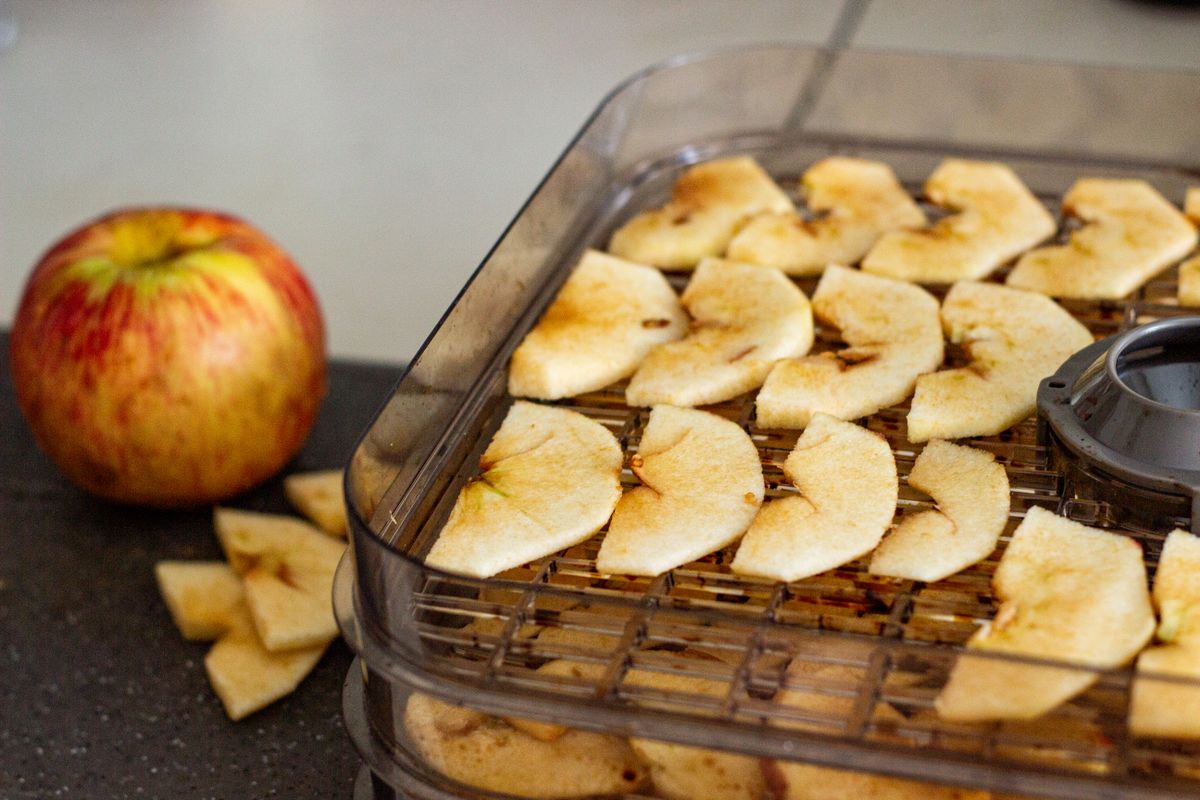
Yes — you can put food-grade silicone in a dehydrator, and the temperature safety margin is enormous. COSORI and Excalibur dehydrators operate between 95-165°F (35-74°C) according to their official specifications, while food-grade silicone is rated from -40°F to6356F (-40 to 180°C). What deserves your attention is not heat tolerance but airflow: any liner reshapes the airflow and changes how product dries, while a perforated mat keeps air moving across the top and bottom of the food.
Why Buyers Keep Asking This Question
The question tends to arrive after a mishap, not before one. Someone pours fruit puree onto a bare mesh tray at 9 a.m., and by noon the tray below is wearing more leather than the one above. Herbs shrink, slip through the grille and disappear into the fan housing. Then you scan the reviews for a quick fix, see plastic accessories warping near heat, and start to wonder whether every flexible sheet belongs in the machine at all.
Guessing wrong is expensive in both directions. A sheet that cannot take the heat ruins a batch and the accessory in a single run. A sheet that blocks airflow stretches a 6-8 hour cycle across a whole drying line and leaves product drying unevenly. So this is really two questions: is the material safe at dehydrator temperatures, and does the sheet change how your product dries? The first one has a hard, numeric answer.
The Temperature Facts, Side by Side
Start with the machine, not the material. COSORI and Excalibur publish operating ranges of 95-165°F (35-74°C) in their official specifications — the low end for gentle jobs like herbs, the top end for meat-style runs. Food-grade silicone is rated from -40°F to 356°F (-40 to 180°C). Even the hottest dial position sits deep inside the material's working range, so heat damage is not the failure mode to plan around.
That leaves the specification which actually separates one sheet from the next: how it treats the air moving through the machine. Two sheets made from identical food-grade silicone can behave completely differently on the same tray — and the difference shows up directly in your drying times. The -40°F end of the range means cold storage between runs is not a concern either.
How Liner Patterns Change Airflow
A fine-pattern liner holds small pieces in place, but it reshapes the airflow, so drying times and results differ from a bare mesh rack. Drying communities have a working answer for fruit leather: once the surface of the leather has set, peel it off the mat and let the second half of the run finish directly on the mesh rack. The mat handles the messy first phase; the rack delivers the fast finish.
Wider patterns take the other road. The 1 × 1 mm and 4 × 4 mm holes keep airflow moving across the top and bottom of the food at the same time, so product dries evenly without flipping trays halfway through. For a producer running batch after batch, skipping the flip is not a convenience — it is hours of labor saved and a more consistent result.
Drying Parameters and the Specs That Matter
Whichever surface you choose, the process numbers stay concrete. Fruit leather puree spread 1/8-1/4 inch (about 3-6 mm) thick dries at 135°F (57°C) for 6-8 hours; in humid conditions, plan for 10-12 hours. Soups dry at around 145°F for roughly 6 hours. Herbs and other small items are where a sheet stops being optional — without one, product drops straight through the tray before it dries enough to hold together.
On the supply side, PuraDry, a factory producing silicone drying sheets, confirms three hole patterns — 1x1 mm regular, 0.5 mm extra-fine and 4x4 mm large-hole — in a 0.7 mm thick sheet. The material is compliant with FDA 21 CFR 177.2600, the compliance report is available on request, and free samples let you test a pattern against your own product before committing to volume.
Frequently Asked Questions
Will a silicone mat melt or warp in my dehydrator?
No. Food-grade silicone is rated from -40°F to 356°F, and dehydrators run at just 95-165°F, far below the material's limit. COSORI and Excalibur official specifications keep their machines inside that window at every setting, so no dial position stresses the sheet. The 95-165°F window comes straight from the official COSORI and Excalibur parameters.
Do silicone sheets make drying take longer?
Any liner can change drying times, because every surface reshapes the airflow compared with a bare mesh rack. Perforated sheets keep airflow moving top and bottom, so food dries evenly without flipping. If you run fruit leather on a liner, the standard technique is to peel it off once the surface sets and finish the run directly on the rack.
Which hole pattern and thickness should I specify?
PuraDry makes three hole patterns — 1x1 mm regular, 0.5 mm extra-fine and 4x4 mm large-hole — at 0.7 mm thickness. The right choice depends on your product size and how much airflow you want through the sheet, which is exactly what a free sample answers. If your line dries herbs or other small pieces, say so when you request the sample so you can compare how each pattern holds your product.
What This Means for Buyers
The temperature question has a clean answer; the buying question is about airflow, hole pattern and fit. If you are specifying drying sheets for a product line, tell the PuraDry team your dehydrator models, your product types and the run times you actually use — the contact page on this site reaches the factory directly, and they will confirm hole pattern, thickness, FDA documentation and sample availability for your case. Start with a free sample on your own trays, then scale from there.