Buying Guides
Choosing the Right Dehydrator Liner for Each Food
Match the hole pattern to the food: the fine 0.5 mm pattern for small pieces, 1 × 1 mm as the all-round standard, 4 × 4 mm for humid loads — with factory specs and pet-treat notes.
The Short Version
Match the liner to the food. The hole pattern decides what stays on the tray, how much air moves through the batch, and how cleanly the finished product peels off.
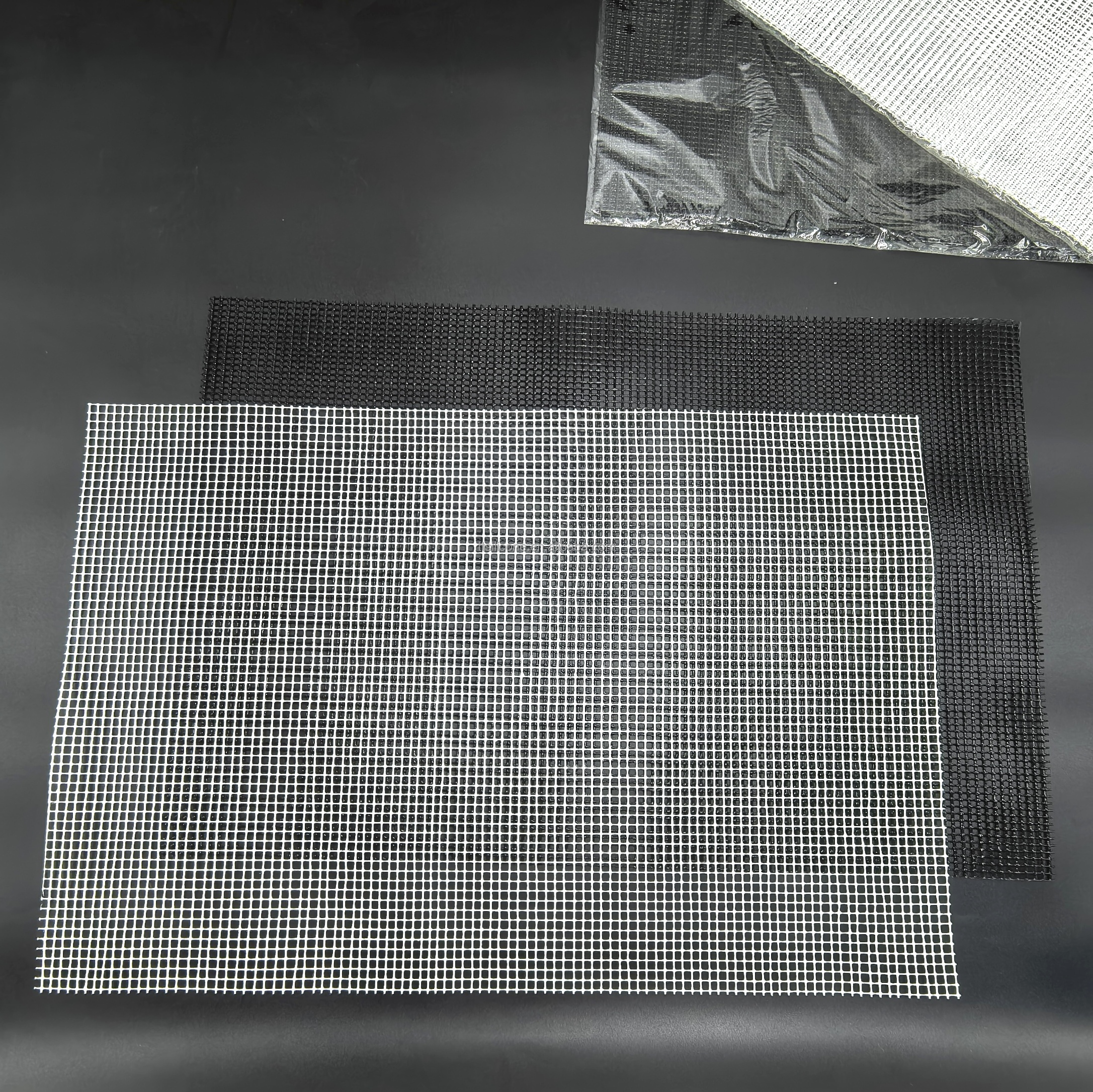
The decision comes down to hole size. A 1 × 1 mm pattern is the all-purpose standard, 0.5 mm suits herbs and fine ingredients that would slip through a larger opening, and 4 × 4 mm opens maximum airflow for humid batches. PuraDry manufactures all three hole patterns in 0.7 mm silicone — standard sizes 60 × 80, 70 × 90 and 80 × 90 cm, an MOQ of 20 sheets, free samples, and an FDA 21 CFR 177.2600 report available on request.
One Tray, Three Patterns, Very Different Batches
Picture the failure modes before the specification table. Small pieces drop through openings that are too large, and humid loads stall when the airflow is too tight. Neither result means the liner is defective — each pattern was simply asked to do the wrong job. Buyers who order one liner type for every batch rediscover this lesson every season, one spoiled tray at a time.
The cost is quiet but real: rework batches, stretched drying schedules, and staff hours spent flipping trays that never needed flipping. So the useful question is not which liner is best — it is which liner belongs to which food. That breaks into a simpler question: which hole pattern matches the batch.
The 0.5 mm Pattern: Small Pieces and Thick Mixes
The 0.5 mm extra-fine pattern comes closest to a continuous surface. It suits herbs, small ingredients and thick mixtures that would slip through larger openings, and finished pieces peel away in one whole piece instead of tearing into scraps. For a brand selling fruit rolls, that whole-piece release is often the line between a saleable sheet of product and a rework batch.
The trade-off is airflow. The fine pattern reshapes the air path, so drying times run differently than on a bare mesh rack. Drying communities pass along a practical workaround: once the puree surface has set, peel the liner off and finish the second half of the cycle on a mesh rack. The leather holds its shape through the fragile stage, and the air returns for the stage where it matters most. Used that way, the liner holds the batch without surrendering the whole cycle.
Airflow From Top and Bottom: the 1 × 1 mm and 4 × 4 mm Patterns
Perforated liners cover the everyday case: foods that shed moisture as they dry and benefit from air underneath. With holes across the surface, air moves around every strip and slice from top and bottom, which is why perforated sheets cut flipping to a minimum on most lines — often the largest labor step in a jerky run. Jerky makers, fruit and vegetable slice lines, and herb dryers all land here as their default surface.
Then match the hole size to the product. The 1 × 1 mm pattern is the all-purpose standard for jerky, vegetable slices and most fruit. The 0.5 mm extra-fine pattern protects herbs and small ingredients that would slip or blow through a larger opening. The 4 × 4 mm large-hole pattern belongs to high-humidity batches and high-airflow settings, where moisture needs the fastest exit the tray can offer. Three patterns, three jobs — one of them matches the batch you run most often.
Pet Treats: Ground Meat and Sliced Meat Want Different Liners
Pet-treat programs meet both problems in the same week. For ground-meat recipes, the community standard is silicone mats with a lip for rolling out ground meat — an edged surface that contains the mix as it dries and releases the finished treat cleanly. Sliced-meat treats are the opposite case: thin cuts want air underneath, so a perforated sheet dries them evenly with minimal flipping. A line running both recipes keeps both surfaces on the rack and switches by batch.
This is where the factory spec matters. PuraDry produces all three hole patterns — 1 × 1, 0.5 and 4 × 4 mm — in 0.7 mm silicone, so a line can standardize on one material and switch the surface by recipe. Standard sizes run 60 × 80, 70 × 90 and 80 × 90 cm, the MOQ is 20 sheets, samples are free, and an FDA 21 CFR 177.2600 report is available on request.
Frequently Asked Questions
Which perforated sheet dries fastest?
The most open pattern, 4 × 4 mm, moves the most air — with 1 × 1 mm as the all-round default when pieces would drop through bigger openings. Step down to 0.5 mm only when pieces are small enough to slip through, and up to 4 × 4 mm when humidity is the enemy and every opening counts.
Can I dry fruit leather on a perforated sheet?
Yes — with the finest pattern. For thick mixes, start on the 0.5 mm sheet so the layer sets evenly, then peel it free and move the batch onto a mesh rack for the back half of the cycle, so airflow returns without tearing the leather.
How do I confirm the right liner before ordering?
Measure your trays first, then match them against the standard 60 × 80, 70 × 90 and 80 × 90 cm sizes. Order free samples in a couple of hole patterns, run a batch of your heaviest and lightest products on your own equipment, and review the FDA 21 CFR 177.2600 report before committing to volume — with an MOQ of 20 sheets, the whole test costs almost nothing.
What This Means for Buyers
The liner decision is a product-by-product decision: 0.5 mm for small pieces and thick mixes, 1 × 1 mm for jerky, slices and everyday batches, 4 × 4 mm for humid loads; and ground pet treats are where edged mats come up in drying communities — confirm availability with the factory before planning that line around it. PuraDry's range is perforated sheets — the three hole patterns above — so for ground-meat recipes that call for a lipped mat, confirm what your supplier actually offers before writing it into a spec, while matching the surface to each recipe. To see the difference on your own trays, request free samples and the compliance report through the contact page — at an MOQ of 20, the trial is small and the answer is definitive.